
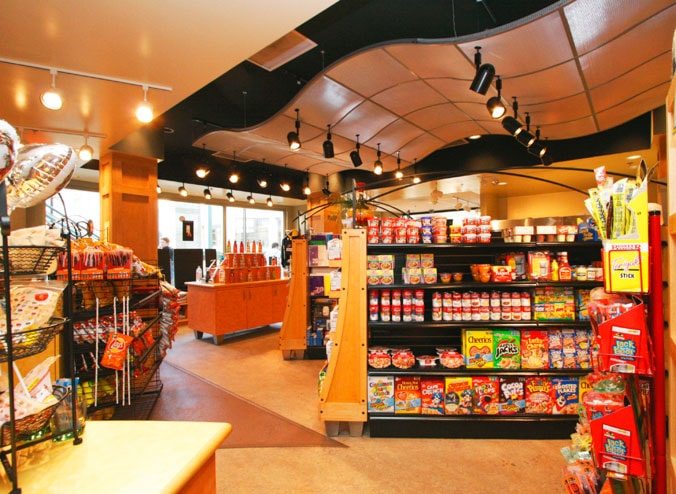
Running your own storefront is exciting. You’ve put in the hard work, hired the right people, and found the perfect location. Now it’s time to make some sales. But having full control of your own retail store also means putting a lot of responsibility on your shoulders. You have merchandise, employees, yourself, and your property to protect. What type of insurance do retail stores need? What kind of coverage should you get for your store? Find out now.
What Type of Insurance Do Retail Stores Need?
As a baseline, you’re going to need general liability insurance as well as commercial property insurance. This protects you against basic concerns, such as a customer being injured, an employee being injured, theft, or your property being damaged. If you are renting a storefront, your landlord might have required proof of both of these insurances before signing the lease.
Specialized Insurance For Retail Stores
As was stated, that’s your baseline for retail store insurance. These are the general risks any business owner is going to want to protect themselves from. But each store is different and is subject to different risks. So depending on the type of business you run, you might be looking for additional coverage. For example, if your business sells something hazardous, such as chemicals, you might look into a higher amount of general liability coverage.
Retailers face unique risks compared to the average business owner. For example, if you run a storefront that includes a company vehicle or regular deliveries to customers, you’re going to need commercial auto insurance. Your business is likely processing a lot of customer data, including credit cards. Cybersecurity insurance can protect you in the event of a data breach or ransomware attack.
What Type of Commercial Insurance Do You Need?
The types of coverage for a business owner can seem endless. And while you certainly want to have your bases covered, you’re also not looking to dump an exorbitant amount of money into insurance each month. The best way to determine the proper level of coverage for your business is by working with a professional. Getting an online quote these days is easy. But if you are guessing answers to half of the questions or unsure if that insurance is even necessary for your business, you’re likely missing out on some key benefits.
Best Commercial Insurance For Retail Stores
Contact The Kind Insurance for a business insurance plan tailored to you. We’ll conduct a careful assessment of the risks posed to your store based on what you’re selling, where you’re located, and much more. We’ll guide you through every step of the process so you’re not paying a penny more than you need to while keeping your business safe. Working with an insurance professional means getting answers to all of your questions. No guessing, just great coverage. Contact us today for retail store insurance tailored to your business.
FAQs
Is general liability insurance required for retail stores in Pennsylvania?
Not by state law, but typically required by landlords and contracts. While Pennsylvania does not mandate general liability insurance for retail stores, most commercial leases require it before signing. Additionally, if a customer slips on a wet floor or is injured by a falling product, general liability covers medical bills and legal fees, protecting your business from costly lawsuits.
What does commercial property insurance cover for a retail store?
Commercial property insurance covers the physical assets of your store, including the building (if you own it), merchandise inventory, shelving, registers, computers, furniture, and signage. It protects against perils like fire, theft, vandalism, windstorms, and certain water damage (but not floods). If you rent, your landlord’s policy covers the building structure, but you still need coverage for your business contents and improvements.
Does my retail store need cyber liability insurance?
Yes, if you accept credit cards or store customer data. Retail stores are prime targets for data breaches because they process payment card information. Cyber liability insurance covers costs associated with a data breach, including customer notification, credit monitoring, legal fees, fines, and even ransomware attacks. Even small stores with a basic point‑of‑sale system face cyber risks.
If I have a delivery vehicle for my store, do I need commercial auto insurance?
Yes. Personal auto policies exclude business use. If your store uses a vehicle for deliveries, transporting goods, or running errands (whether owned by you or an employee), you need commercial auto insurance. It covers liability, physical damage, and cargo. If employees use their own cars for store business, you should also have non‑owned auto liability coverage.