
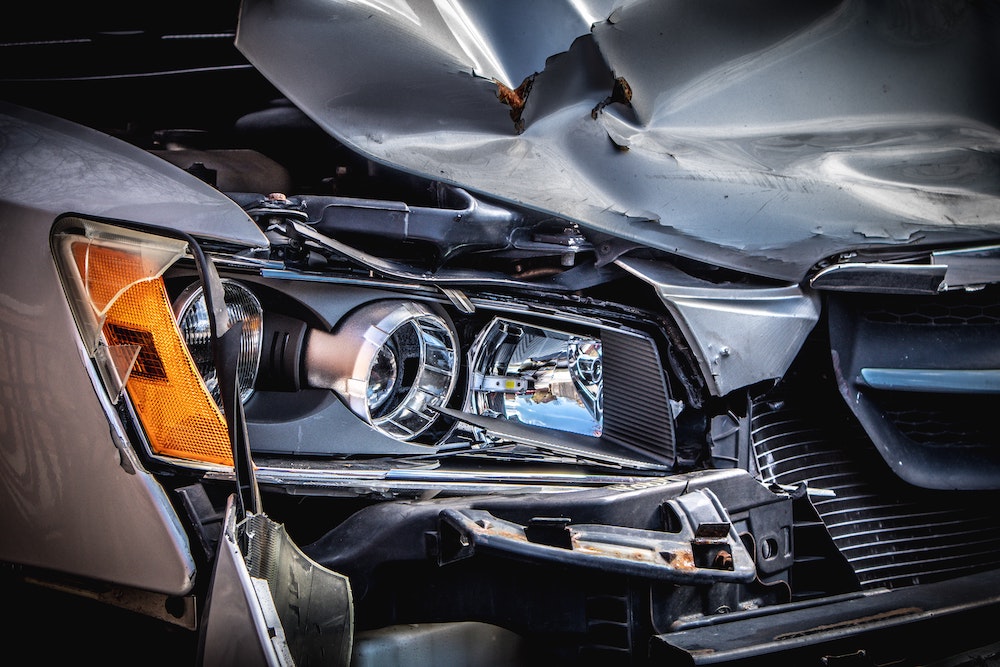
Car accidents are stressful, and the aftermath can be overwhelming, especially when considering the financial implications. We’ve all heard the horror stories of outrageous monthly insurance premiums after an accident. How much of an increase can you expect? Let’s get into it.
Understanding the Impact of an Accident on Your Premiums
When you’re involved in an accident, your car insurance premiums are likely to increase. This is because insurers view you as a higher risk, which translates to higher costs for them. The exact increase in your premiums varies based on a few different factors. This includes:
- Severity of the Accident: One minor fender-bender may result in little to no increase, while major accidents can lead to substantial hikes.
- Fault: If you are found at fault for the accident, the increase in your premium will generally be more significant.
- Claim History: If you have a history of multiple claims, your premiums are likely to rise more than if this is your first accident.
- Insurance Provider: Different insurers have different policies regarding rate increases after an accident.
- Location: The states have different laws about whether or not an insurer can raise your premium if the accident wasn’t your fault. For example, if you live in California, insurers are legally not allowed to increase your premiums for a no-fault accident.
Average Increase in Car Insurance Premiums
On average, drivers in Pennsylvania can expect their car insurance premiums to increase by approximately 30-50% after an accident. However, this is a very general estimate, and the actual increase can be lower or higher depending on your individual circumstances. In some cases, you could even be at fault in an accident and not see an increase.
How to Mitigate the Impact
While you can’t entirely avoid the increase in premiums after an accident, there are steps you can take to mitigate the impact:
- Drive Safe: This is by far the best and cheapest way to keep your insurance premiums low. There are simply no downsides to driving safely. It not only keeps your monthly costs stable, but might even make you eligible for safe driving discounts.
- Accident Forgiveness: Some insurers offer accident forgiveness programs, which prevent your first at-fault accident from affecting your premiums. Check with your provider to see if this is an option for you.
- Shop Around: Not all insurers increase rates in the same way. Shopping around for new quotes can help you find a more competitive rate.
- Increase Deductibles: Opting for a higher deductible can lower your premiums. However, be sure you can afford the out-of-pocket cost if another accident occurs.
- Bundle Policies: Many insurers offer discounts for bundling multiple policies, such as home and auto insurance. This can help reduce your overall costs.
What We Do at The Kind Insurance
First and foremost, we found our services on compassion. We understand that car accidents are scary and dealing with the aftermath is overwhelming. Our goal is to help you navigate these changes and find the most affordable car insurance options available. We are committed to working with you to ensure you have the coverage you need at a price that fits your budget. Whether you’re exploring accident forgiveness options, looking for safe driving discounts, or considering switching providers, we’re here to assist you every step of the way.
Related Auto Insurance Resources
- How Long Does an Accident Affect Your Car Insurance?
- What Should You Do After a Car Accident?
- What Does Car Insurance Cost in PA?
- How to Choose the Best Car Insurance Plan for Your Vehicle
FAQs
How long will my car insurance premium stay elevated after an accident?
Typically, an at‑fault accident will affect your premium for 3 to 5 years, depending on your insurer and state regulations. After that period, the accident usually drops off your driving record and no longer impacts your rate.
Will my premium go up if the accident wasn’t my fault?
It depends on your state. In Pennsylvania, insurers can raise your premium for a not‑at‑fault accident if you have a history of multiple claims. However, some states (like California and Oklahoma) prohibit rate increases for no‑fault accidents. Check your state laws or ask your agent.
What is accident forgiveness, and how do I qualify?
Accident forgiveness is a program that prevents your first at‑fault accident from raising your premium. Some insurers offer it automatically after a certain number of claim‑free years; others sell it as an add‑on. You typically need a clean driving record for 3–5 years to qualify.
Will a minor fender‑bender increase my rate as much as a major crash?
No. Minor accidents with low repair costs (e.g., under $1,000) may cause little or no rate increase, especially if you pay out of pocket and don’t file a claim. Major accidents with injuries or high payouts will likely trigger a larger premium hike.
Should I file a claim for a small accident or pay out of pocket?
If repair costs are only slightly above your deductible, paying out of pocket may save you money in the long run. Filing a claim could increase your premium for years, potentially costing more than the claim payout. Ask your agent for a claim‑cost analysis before deciding.
Can shopping around for a new policy right after an accident save me money?
Yes. Different insurers weigh accidents differently. Some specialize in higher‑risk drivers and may offer better rates than your current carrier after an accident. An independent agent can compare quotes across multiple companies to find the most competitive offer.
Give us a call to get answers to more of your insurance questions or find the ideal policy for you.